Introduction
As the weather turns cooler, there's nothing quite like a hearty bowl of beef stew to warm your soul. Rich in flavor and perfect for sharing, slow cooker beef stew is an ideal meal for busy home cooks. Toss in your ingredients, set it, and let time work its magic.
This recipe is not just about convenience; it’s a celebration of comforting flavors and tender, juicy beef. With each bite, the robust taste of the stew brings together a medley of spices, vegetables, and herbs, creating a dish that feels like a hug in a bowl. Let’s dive into the delicious world of slow cooker beef stew!
Ingredients
- 2 lbs beef chuck, cut into 1-inch pieces
Beef chuck is marbled with fat, ensuring that it becomes tender and flavorful as it cooks low and slow. Its connective tissues break down during the cooking process, resulting in succulent, melt-in-your-mouth meat. - 4 medium carrots, sliced
Carrots add natural sweetness and vibrant color to the stew, making it visually appealing. They also hold their shape well, providing a satisfying texture that complements the beef. - 3 large potatoes, peeled and diced
Potatoes act as a hearty base, absorbing the flavors of the broth while contributing their starchiness to thicken the stew. They also add substance, making the meal more filling. - 1 medium onion, chopped
Onions enhance the overall depth of flavor in the stew, providing a savory background that balances the richness of the beef and other ingredients. - 3 cloves garlic, minced
Garlic infuses the stew with aromatic goodness, elevating the overall flavor profile. It adds a warm, savory kick that enhances the other ingredients. - 4 cups beef broth
Beef broth is the foundation of your stew, bringing moisture and depth to the dish. It infuses the ingredients with flavor and ensures that the beef remains succulent during cooking. - 1 tablespoon tomato paste
Tomato paste deepens the flavor of the stew and adds a subtle sweetness. It helps to create a rich, cohesive sauce that binds all the ingredients together. - 2 teaspoons Worcestershire sauce
Worcestershire sauce adds a tangy, umami richness that amplifies the beef's natural flavors. It helps to create a more rounded, complex taste in your stew. - 1 teaspoon dried thyme
Thyme contributes an earthy, aromatic quality, which complements the beef beautifully. Its subtle, herbaceous notes strengthen the overall flavor of the stew. - 1 bay leaf
Bay leaves provide a unique aromatic essence to the dish. They add depth and complexity but should be removed before serving as they can be tough. - Salt and pepper to taste
Salt enhances all the flavors, while pepper adds a gentle heat. Adjust these seasonings at the end of cooking to ensure your stew is perfectly balanced.
Directions & Preparation
Step 1: Prepare the ingredients
Start by washing, peeling, and chopping your vegetables. Dicing your potatoes, slicing carrots, and chopping onions will ensure even cooking. This prep step is crucial for achieving the right texture in your stew, allowing all ingredients to blend harmoniously as they simmer.
Step 2: Brown the beef
In a skillet over medium-high heat, sear the beef chunks until they are brown on all sides. This step enhances the flavor through the Maillard reaction, creating a deep, caramelized crust that brings richness to the final dish. It's worth the extra time to achieve that perfect sear.
Step 3: Add aromatics
Once the beef is browned, add onions and garlic to the skillet, stirring until they're soft. This step builds layers of flavor and develops the base for your stew, as sautéed onions and garlic release essential oils and sweetness.
Step 4: Combine in the slow cooker
Transfer the browned beef and sautéed vegetables into your slow cooker. Layer the remaining ingredients over them, starting with the potatoes, then carrots, garlic, broth, and seasonings. This method ensures that all the wonderful flavors meld as they slowly cook.
Step 5: Set the slow cooker
Cover your slow cooker and set it to low for 8 hours or high for 4 hours. The key here is patience; cooking low and slow allows the flavors to develop fully while the beef tenderizes until it virtually falls apart.
Step 6: Adjust seasoning
After the cooking time, taste the stew and make any necessary adjustments to seasoning. This part is essential as it ensures you're delivering on flavor. You may find you want an extra pinch of salt or a dash more of pepper to bring out the warm, robust flavors.
Step 7: Serve
Ladle the stew into bowls and let your family or guests add their favorite sides. This dish pairs wonderfully with crusty bread or a fresh salad, transforming your kitchen into a cozy dining spot for all to enjoy.

The Importance of Browning Meat
Browning the beef is an essential step that cannot be overlooked. This process not only locks in flavor but also adds a depth of richness to the stew. The caramelization process enhances the overall taste, giving your dish a gourmet touch. Skipping this step can result in a more one-dimensional flavor, so take the time to truly sear the meat.
Layering Flavors for a Rich Stew
Layering flavors is a central concept in culinary practices that significantly impacts the final dish. By adding ingredients sequentially, starting from the beef to the aromatics and finally the broth, each component has the opportunity to shine and enhance the others. The synergy achieved through this careful assembly results in a complex, satisfying stew.
Finishing Touches for Extra Flavor
After cooking, don’t forget to give your stew a thorough taste test. Individual preferences vary, and adjusting the seasoning to your liking can elevate the dish significantly. Consider adding fresh herbs, a splash of vinegar, or even a hint of hot sauce to dial the flavors up even further.
FAQs
What if my stew is too thick?
If you find your stew is too thick, simply add a little more beef broth or water to loosen it. Stir and let it simmer for a few minutes until you reach your desired consistency.
How can I prevent my beef from being tough?
Ensure you're using the right cut of meat, like beef chuck, and don’t rush the cooking time. Searing the beef properly before adding it to the slow cooker also contributes to a tender result.
Can I use frozen veggies in this recipe?
Absolutely! Frozen vegetables can be a convenient alternative, but add them in the last hour of cooking to avoid them becoming mushy.
What should I do if my stew is too bland?
If the stew tastes bland, try adding a touch more salt or a splash of Worcestershire sauce to enhance the depth of flavor. Fresh herbs at the end can also brighten the dish.
Can I substitute beef with another protein?
Yes, you can use chicken or even plant-based proteins like seitan or lentils. Just adjust the cooking time since each protein reacts differently to slow cooking.
Is it possible to make a smaller batch?
Certainly! You can halve the recipe by using 1 lb of beef and reducing the quantities of the other ingredients accordingly. Just ensure that your slow cooker is still at least half full for optimal cooking.
Conclusion
A bowl of slow cooker beef stew is not just food; it’s a warm embrace on a chilly night. Every ingredient serves its purpose, coming together to create a symphony of flavors and textures that satisfies the soul.
Whether you're cooking for yourself, family, or friends, this dish offers a blend of comfort and nutrition that makes mealtime special. So gather your ingredients and let your slow cooker do the heavy lifting while you enjoy the comforting aroma wafting through your home.
Recipe Card
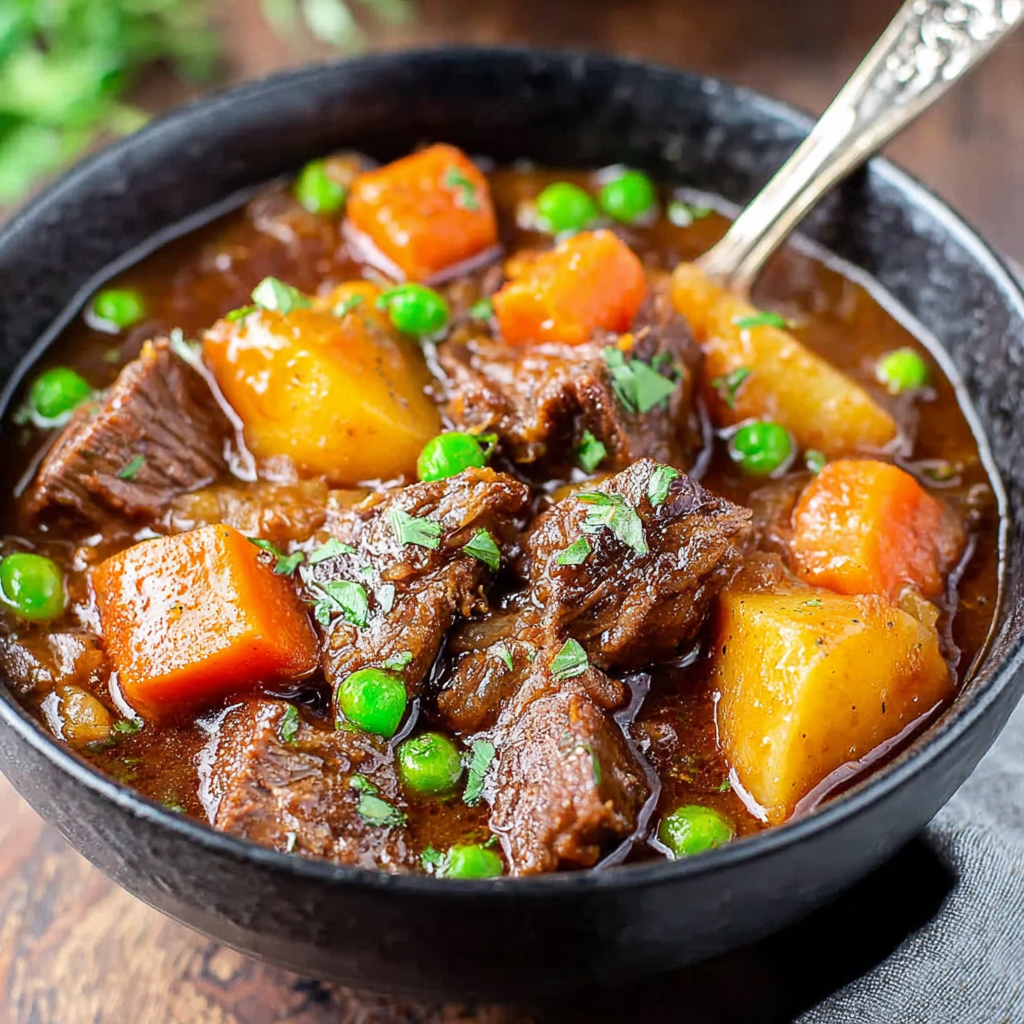
Hearty Slow Cooker Beef Stew for Cozy Evenings
Ingredients
Method
- Prepare the ingredients
- Brown the beef
- Add aromatics
- Combine in the slow cooker
- Set the slow cooker
- Adjust seasoning
- Serve
Notes
Additional serving suggestions: pair with a crisp salad, garlic bread, or roasted seasonal vegetables for balance.
For make-ahead, prep components separately and assemble just before heating to preserve texture.
Taste and adjust with acid (lemon/vinegar) and salt right at the end to wake up flavors.