Introduction
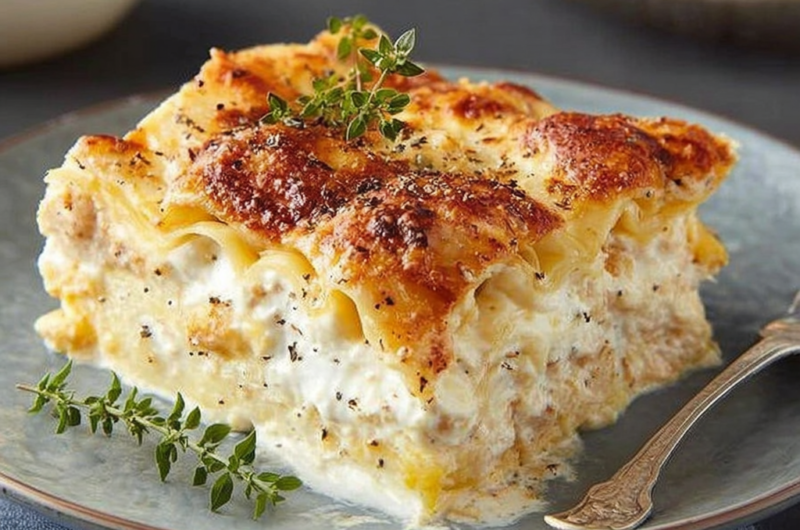
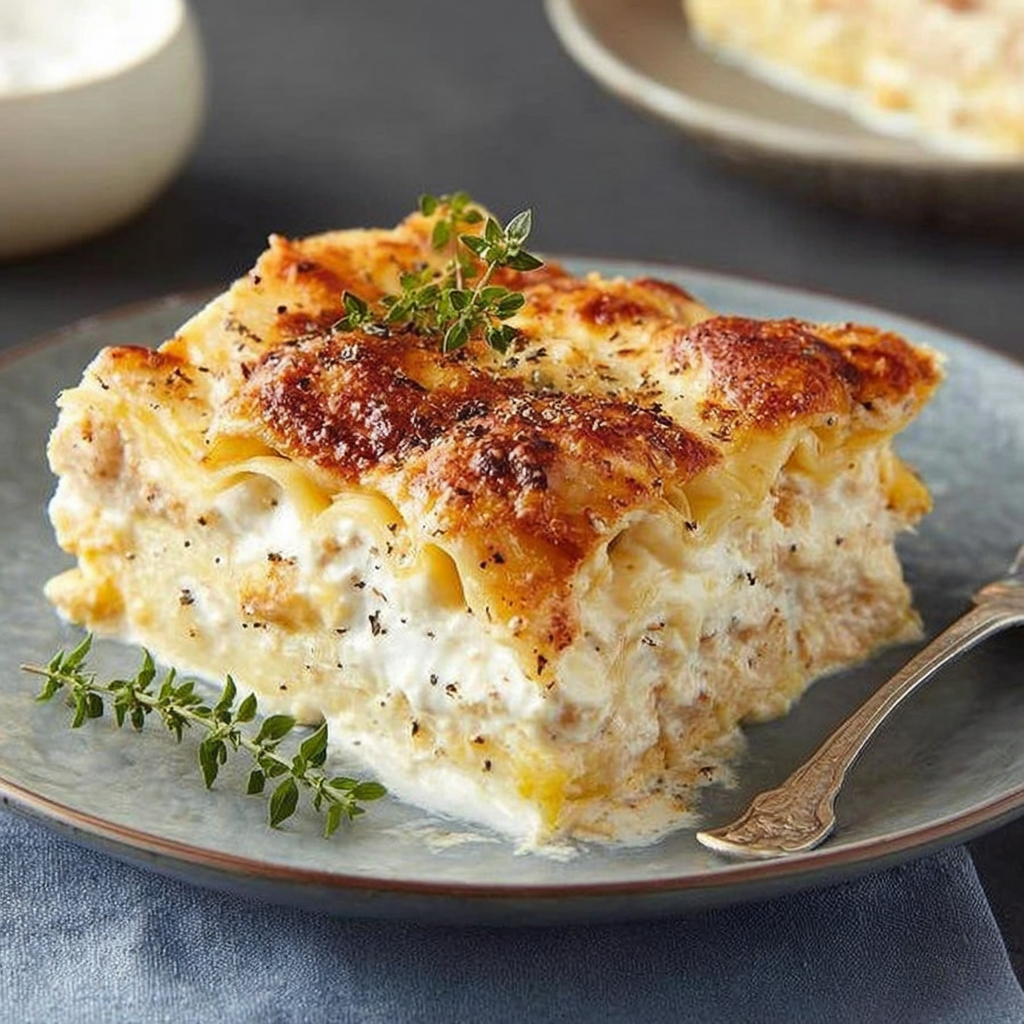
White lasagna offers a delightful twist on the classic dish, showcasing layers of creamy béchamel sauce and rich cheeses instead of traditional tomato sauce. It's an elegant option that's perfect for dinner parties or family gatherings, providing comfort with every bite.
The beauty of white lasagna lies in its versatility; you can incorporate seasonal vegetables, different types of cheese, or even a hint of truffle oil for sophistication. Whether you're cooking for a crowd or a quiet evening at home, this recipe grants the chance to impress without an overwhelming amount of effort.
As we dive into the components of a luscious white lasagna, you'll discover how simple ingredients create a dish that is not only visually appealing but also full of flavor. Let's explore what you'll need to bring this comforting meal to life.
Ingredients
- 12 lasagna noodles
The foundation of your lasagna, lasagna noodles provide structure and absorb flavors from the sauces and fillings. Opting for no-boil noodles can save time, though traditional noodles offer a slightly different texture. - 2 cups ricotta cheese
Ricotta adds a rich creaminess to the layers while maintaining a mild flavor. It's also essential for creating that signature lasagna texture, contrasting perfectly with the other ingredients. - 2 cups shredded mozzarella cheese
Mozzarella offers a beautiful stretch and melty quality that is characteristic of laser-cooked dishes. Using whole milk mozzarella enhances creaminess and prevents dryness. - 1 cup grated Parmesan cheese
Parmesan brings depth and nutty flavor, enhancing the overall taste profile. Its ability to create a golden, crispy top layer during baking makes it indispensable. - 4 cups béchamel sauce
A creamy white sauce, béchamel unites the layers and contributes to the dish’s richness. By making this from scratch, you can control its consistency and flavor, ensuring it complements the other ingredients. - 2 cups sautéed spinach
Adding sautéed spinach not only introduces a burst of color but also provides nutrients and a slight bitterness that balances the richness of cheeses. It's a great way to sneak in some veggies. - 2 cloves garlic, minced
Garlic infuses the dish with aromatic flavors, enhancing the overall profile. It also pairs beautifully with spinach and cheeses. - 1 teaspoon nutmeg
Nutmeg is a traditional seasoning in béchamel and adds warmth and complexity. A pinch goes a long way, elevating the flavors of the creamy ingredients. - Salt and pepper to taste
Essential for bringing all the flavors together, seasoning helps to balance the richness of the cheeses and béchamel. Adjust to suit your palate.
Directions & Preparation
Step 1: Preheat your oven to 375°F (190°C).
Starting with a properly preheated oven allows for even cooking. This is particularly important for lasagna, ensuring that the layers meld together while achieving a beautifully golden top.
Step 2: Prepare the béchamel sauce by melting butter in a saucepan and whisking in flour until pale.
This roux forms the base of your béchamel sauce. Cooking it until lightly colored helps eliminate any raw flour taste and provides a nutty flavor, essential for a rich sauce.
Step 3: Gradually whisk in milk, stirring constantly until the sauce thickens.
Whisking continuously here prevents lumps and ensures a smooth, creamy sauce. This thickened sauce will help bind the layers of the lasagna together, creating that delightful texture.
Step 4: Season the béchamel with nutmeg, salt, and pepper, then set aside.
Seasoning is crucial, and nutmeg in béchamel adds a classic touch. Adjusting salt and pepper now ensures that your sauce is flavorful throughout, enriching the lasagna.
Step 5: Sauté garlic until fragrant, then add the spinach and cook until wilted.
Cooking the garlic gently brings out its sweet flavor without burning it. Adding the spinach afterward ensures it retains its vibrant color and nutrition while reducing moisture.
Step 6: In a baking dish, spread a thin layer of béchamel sauce on the bottom, followed by noodles.
This initial layer prevents the noodles from sticking and provides a creamy base that will permeate the dish. It's also a strategic start to ensure even layering.
Step 7: Layer with ricotta, mozzarella, sautéed spinach, and béchamel, then top with noodles.
Layering in this manner allows flavors to meld and moisture to be retained. The combination of cheeses and béchamel keeps the dish creamy while the spinach adds dimension.
Step 8: Repeat layering until all ingredients are used, finishing with béchamel and a generous sprinkle of Parmesan.
Ending with béchamel ensures a creamy top layer that locks in moisture. The Parmesan adds a delightful crunch when baked, ensuring a satisfying texture contrast.
Step 9: Cover with foil and bake for 25 minutes, then uncover and bake for an additional 15-20 minutes until golden.
Covering initially traps steam, ensuring even cooking and helping the cheeses melt perfectly. Removing the foil allows the top to crisp up, giving a delicious finish.
Step 10: Let the lasagna rest for 10-15 minutes before slicing and serving.
Resting the lasagna is essential for it to set properly, making it easier to cut uniform pieces. This brief waiting period also enhances the flavors as they meld.

The Magic of Béchamel Sauce
Béchamel sauce is a cornerstone of classic white lasagna; its creamy texture and rich flavor provide the foundation that holds the dish together. Made from equal parts flour and butter, whisked with milk, the sauce is versatile enough to be customized with added ingredients like herbs or cheeses. Mastering béchamel can elevate your culinary skills and allow you to use it in various recipes beyond lasagna.
Layer Your Ingredients Mindfully
Creating layers is more than just assembling; it’s about harmonizing flavors and textures. Positioning different components in a thoughtful manner allows each ingredient to shine, contributing to the overall taste experience. Be deliberate about the order in which you layer to ensure a balance of creaminess from the béchamel, rich flavor from the cheeses, and freshness from the vegetables.
Balancing Flavor and Texture
A key to a successful white lasagna is balancing the rich flavors with lighter components. Incorporating vegetables like spinach not only adds nutritional value but also provides a contrast to the heavy cheeses. Additionally, ensuring adequate seasoning throughout each layer creates a delicious meld of flavors that excites the palate without overwhelming it.
FAQs
What should I do if the béchamel sauce is too thick?
If your béchamel is too thick, you can whisk in a bit more milk over low heat until you reach the desired consistency. Always add a little at a time to avoid making it too thin.
How can I prevent my lasagna from being too bland?
To avoid blandness, be generous with seasoning in each layer. Adding herbs or spices can enhance flavors, and tasting the béchamel and ricotta mixture before assembling will ensure balanced seasoning.
Can I use different types of cheese besides mozzarella?
Yes, feel free to experiment with cheeses like fontina or gouda for a different flavor profile. Just ensure that you maintain a cheese that melts well for that perfect lasagna consistency.
What if my spinach releases too much water when baking?
To prevent excess moisture, ensure you sauté the spinach well until all liquid has evaporated before layering. This keeps your lasagna from becoming watery.
Is there a way to customize the filling for this white lasagna?
Absolutely! You can include roasted vegetables, such as zucchini or mushrooms, or even add cooked chicken or seafood for a heartier option. Just be mindful of moisture levels.
How do I know when the lasagna is fully cooked?
Your lasagna is ready when it is bubbling at the edges and the top has a golden, crispy finish. A knife inserted in the center should meet little resistance.
Conclusion
White lasagna is not only a dish that comforts but also embodies creativity through its layers and flavors. Each component plays a vital role, contributing to the rich, satisfying experience that keeps diners coming back for more.
By understanding the ingredients and techniques behind this dish, home cooks can make it their own, tailoring it to personal tastes or dietary needs while still achieving that creamy, indulgent essence. So gather your loved ones, and enjoy this comforting meal together.
Recipe Card
Delightful White Lasagna for Cozy Gatherings
Ingredients
Method
- Preheat your oven to 375°F (190°C).
- Prepare the béchamel sauce by melting butter in a saucepan and whisking in flour until pale.
- Gradually whisk in milk, stirring constantly until the sauce thickens.
- Season the béchamel with nutmeg, salt, and pepper, then set aside.
- Sauté garlic until fragrant, then add the spinach and cook until wilted.
- In a baking dish, spread a thin layer of béchamel sauce on the bottom, followed by noodles.
- Layer with ricotta, mozzarella, sautéed spinach, and béchamel, then top with noodles.
- Repeat layering until all ingredients are used, finishing with béchamel and a generous sprinkle of Parmesan.
- Cover with foil and bake for 25 minutes, then uncover and bake for an additional 15-20 minutes until golden.
- Let the lasagna rest for 10-15 minutes before slicing and serving.
Notes
Additional serving suggestions: pair with a crisp salad, garlic bread, or roasted seasonal vegetables for balance.
For make-ahead, prep components separately and assemble just before heating to preserve texture.
Taste and adjust with acid (lemon/vinegar) and salt right at the end to wake up flavors.