Introduction
Dandelion soap may not be the first thing that comes to mind when thinking of handmade products, but this natural remedy is both gentle on the skin and environmentally friendly. The vibrant yellow dandelion flowers not only bring color but also valuable skincare properties. With a little effort, you can transform these common weeds into a soothing, fragrant soap.
Making dandelion soap at home allows you to engage with nature and tap into the restorative benefits of one of spring’s most abundant flowers. The process can be a delightful experience, capturing the essence of the season in a bar of soap. It's perfect for those who love to embrace natural ingredients in their beauty routines.
Ingredients
- 240 grams dandelion-infused olive oil
Dandelion-infused oil extracts the beneficial properties of the flowers, known for their anti-inflammatory and antioxidant effects, making this oil soothing for the skin. - 120 grams coconut oil
Coconut oil adds lather and moisture to the soap, while also providing a protective barrier that helps retain skin hydration. - 120 grams shea butter
Shea butter is a rich emollient that deeply moisturizes the skin, promoting softness and elasticity. - 80 grams lye (sodium hydroxide)
Lye is a crucial ingredient that reacts with oils in a saponification process to create soap; it must be handled with care as it is caustic in its raw form. - 240 grams distilled water
Water is needed to dissolve the lye and to create the soap mixture, facilitating the saponification process. - 10-15 drops essential oil (optional)
Adding essential oils not only provides a pleasant fragrance but can also impart additional skin benefits; choose oils that complement the properties of dandelion.
Directions & Preparation
Step 1: Prepare the dandelion-infused olive oil.
Collect fresh dandelion flowers, carefully removing the stems and leaves. Place them in a jar, cover with olive oil, and let them steep for about two weeks. The longer they infuse, the stronger their properties will be in your soap — infusing until the oil turns a vibrant yellow is a good visual cue.
Step 2: Mix lye with water in a well-ventilated area.
In a heat-resistant container, carefully add the lye to distilled water while stirring gently and constantly. This step is crucial as it generates heat and fumes. Always add lye to water, not the other way around, to avoid dangerous reactions. The mixture will change in temperature and turn clear, indicating it is ready for the next step.
Step 3: Combine the oils and lye mixture once cooled.
Allow both the lye solution and infused olive oil to cool to about 100-110°F. Then, pour the lye solution into the oils slowly, mixing continuously with an immersion blender until the mixture reaches 'trace' — when it thickens and holds a trail on the surface for a moment. This step is vital to create a homogeneous blend.
Step 4: Pour the soap mixture into molds.
Once the soap reaches trace, pour it into prepared molds, smoothing the top with a spatula. This is your chance to add any essential oils if desired. Cover with a towel or plastic wrap to keep the heat in, allowing saponification to occur undisturbed for 24 hours.
Step 5: Unmold and cut the soap after 24 hours.
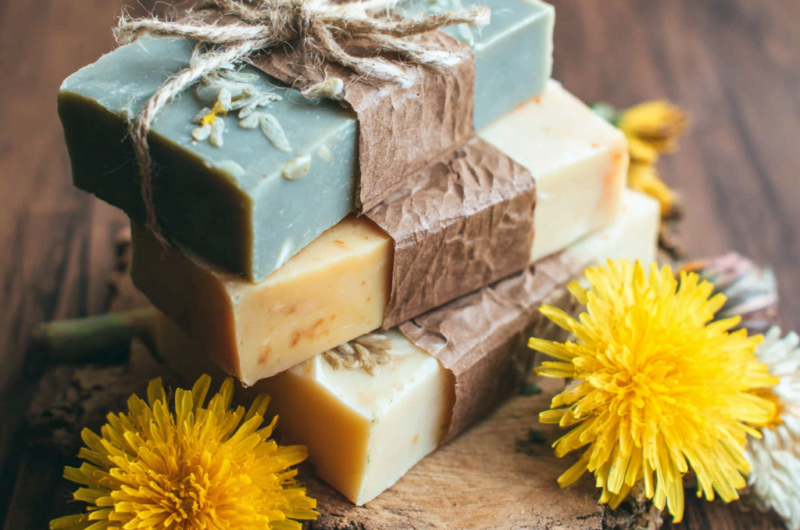
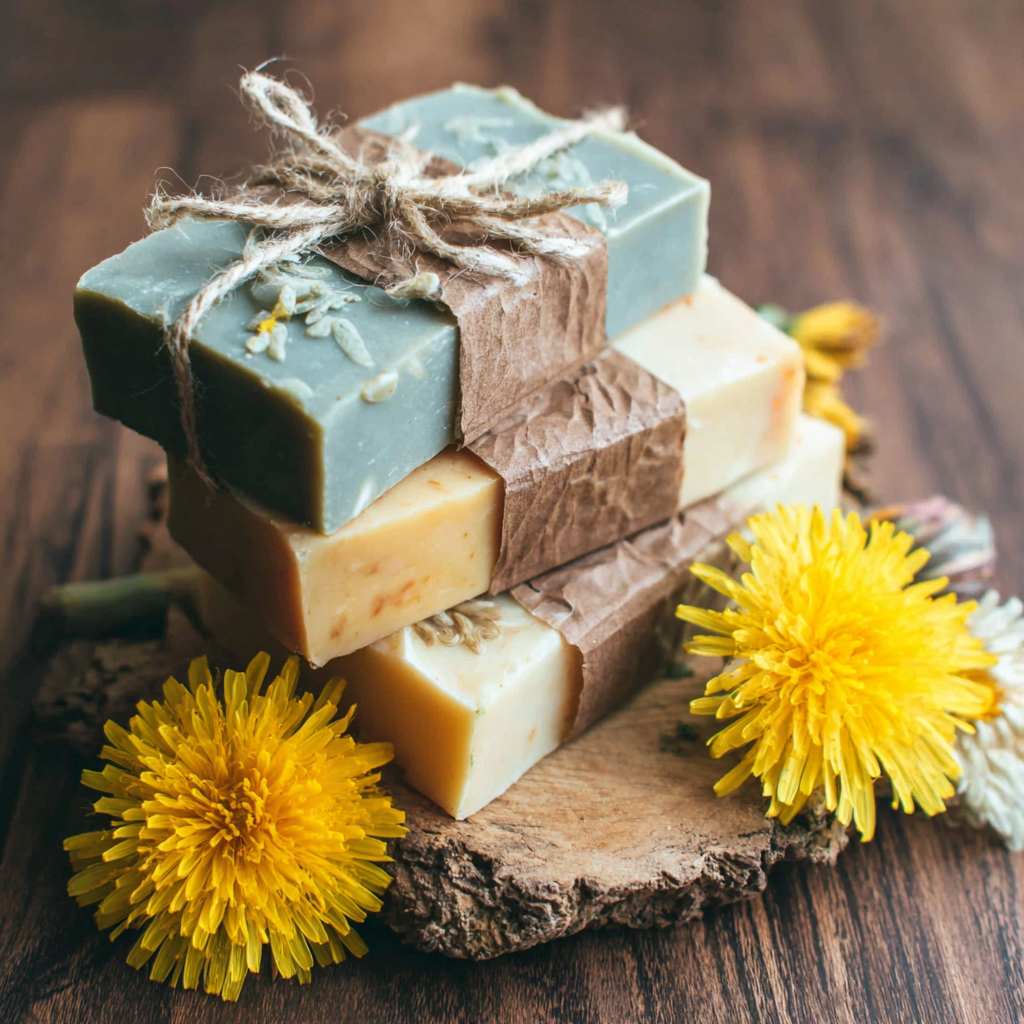
Carefully remove the soap from the molds and cut it into bars. This is a rewarding moment that reveals your handmade creation. Be cautious of any sharp edges and allow the bars to cure further to ensure safety and quality through the saponification process.
Step 6: Cure the soap for 4-6 weeks before use.
Place the cut bars in a cool, dry area to cure. This step is essential as it reduces the lye content, making the soap safe for skin contact. During cure time, the texture and lather will improve, resulting in a firmer, longer-lasting soap.

Understanding the Benefits of Dandelions
Dandelions are often dismissed as mere weeds, yet they possess incredible health benefits. Rich in antioxidants, phytochemicals, and nutrients, dandelion flowers have been traditionally used for their anti-inflammatory properties. When infused into soap, they can promote skin health by soothing irritations and helping to maintain balance in the skin’s natural oils.
The Science of Saponification
Saponification is the chemical reaction that occurs when fats or oils are combined with an alkali like lye to create soap. During this process, the fatty acids in the oils react with the lye molecules, resulting in a substance that cleanses effectively without stripping the skin. Understanding this process is crucial for any soap creator, as it ensures the right balance of ingredients and safety.
Customizing Your Dandelion Soap
One of the joys of making your own soap is the opportunity to customize it to your liking. You can experiment with different essential oils, colors, or additives like oatmeal for exfoliation. Consider adding natural colorants like spirulina or turmeric to enhance your soap’s visual appeal while keeping it all-natural. Personalizing your soap not only makes it unique but can also cater to specific skin needs.
FAQs
What to do if the soap is too thick?
If your soap mixture thickens too quickly before pouring, you can gently reheat it while stirring until it thins out. This can help achieve a more pourable consistency.
How can I enhance the scent of my soap?
To boost the fragrance of your soap, increase the number of essential oil drops, but be sure not to exceed recommended levels, as that can irritate the skin.
What should I do if my soap overheats?
If your soap appears to be heating excessively or developing a strong smell, it may be 'gelling' too quickly. You can place it in the refrigerator to slow down the process, but it’s important to monitor it closely.
Can I use fresh dandelions?
Yes, using fresh dandelion flowers is encouraged! Just ensure they are gathered from an untreated area that has not been treated with pesticides.
How do I ensure an even texture in my soap?
Ensure that your oils and lye are at similar temperatures before mixing; if they differ too much, you may end up with a grainy texture due to uneven saponification.
Is it possible to scale this recipe up or down?
Absolutely! You can scale the ingredient amounts proportionately while maintaining the same ratios, but be careful with calculating the lye amount to prevent issues.
Conclusion
Crafting dandelion soap is a rewarding blend of artistry and science. Not only do you create a unique product, but you also reap the benefits of its natural ingredients, boosting your skincare routine in an eco-friendly manner.
As you experiment with this recipe, feel free to explore variations and enhancements that suit your preferences. In embracing the beauty of handmade soap, you're also cultivating a deeper connection to nature and its gifts.
Recipe Card
Exploring the Art of Making Dandelion Soap
Ingredients
Method
- Prepare the dandelion-infused olive oil.
- Mix lye with water in a well-ventilated area.
- Combine the oils and lye mixture once cooled.
- Pour the soap mixture into molds.
- Unmold and cut the soap after 24 hours.
- Cure the soap for 4-6 weeks before use.
Notes
Additional serving suggestions: pair with a crisp salad, garlic bread, or roasted seasonal vegetables for balance.
For make-ahead, prep components separately and assemble just before heating to preserve texture.
Taste and adjust with acid (lemon/vinegar) and salt right at the end to wake up flavors.