Introduction
Irish soda bread is a cherished staple that carries the weight of history and tradition. Its origins are deeply rooted in rural Ireland, where baking with soda became essential for families who could not access yeast. This simple bread is a testament to resourcefulness, flourishing with just a handful of ingredients.
What sets Irish soda bread apart is its inclusion of baking soda as the leavening agent, which imparts a unique flavor and texture. The result is a rustic loaf with a crisp crust and a tender crumb, ideal for slathering with butter or pairing with hearty soups. Embracing the spirit of simplicity, this bread is both approachable and satisfying for any home cook.
Ingredients
- 4 cups all-purpose flour
All-purpose flour forms the backbone of the bread, providing the necessary structure. Its gluten content allows the dough to rise properly, creating the perfect balance between a dense texture and fluffiness. - 1 teaspoon baking soda
Baking soda acts as the primary leavening agent, reacting with acidic components in the dough. This reaction releases carbon dioxide, helping the bread to rise and develop a light, airy texture. - 1 teaspoon salt
Salt not only enhances the natural flavors of the ingredients but also strengthens the dough. It helps to control fermentation, contributing to the final texture and taste of the bread. - 1 ½ cups buttermilk
Buttermilk adds moisture and acidity, which react with the baking soda. This interaction is essential for the leavening process and imparts a slight tang, enriching the flavor of the bread. - 1 tablespoon melted butter (optional)
Adding melted butter will enrich the bread, creating a softer crumb and enhancing flavor. It can also contribute to a richer color on the crust when baked.
Directions & Preparation
Step 1: Preheat the oven to 425°F (220°C).
Preheating ensures that the bread bakes evenly and develops a good rise. The high temperature is crucial for setting the crust quickly, which locks in steam and creates a wonderfully crispy exterior.
Step 2: In a large bowl, whisk together the flour, baking soda, and salt.
Whisking these dry ingredients ensures even distribution of the baking soda and salt, which is vital for a uniform rise and flavor throughout the bread. This step also aerates the flour, improving texture.
Step 3: Make a well in the center of the dry ingredients and pour in the buttermilk and melted butter, if using.
Creating a well helps to contain the wet ingredients, making it easier to mix the dough. The moisture from the buttermilk activates the baking soda, so it’s important to combine them soon after mixing.
Step 4: Gently mix the dough with your hands until it just comes together, avoiding overworking it.
Overworking the dough can lead to a tough texture due to gluten development. Mixing just until combined allows for a tender crumb, which is characteristic of good Irish soda bread.
Step 5: Turn the dough out onto a floured surface and shape it into a round loaf.
Shaping is important as it influences how the bread will rise and cook. A round loaf promotes even cooking and allows for a larger surface area, enhancing the crust.
Step 6: Transfer the shaped dough to a baking sheet lined with parchment paper.
Using parchment paper prevents sticking and allows for easy cleanup. It also helps the bread cook more evenly, as it provides a non-reactive surface in the oven.
Step 7: Score a deep cross on the top of the loaf with a sharp knife.
Scoring the dough before baking allows for controlled expansion, which contributes to the bread's texture. It also adds a traditional, rustic touch and helps steam escape, preventing a dense loaf.
Step 8: Bake for 30-40 minutes, until golden brown and hollow-sounding when tapped.
Baking until golden ensures that the crust develops a desirable crunch while keeping the interior tender. The hollow sound indicates that the bread is fully baked and no longer doughy inside.
Step 9: Let cool on a wire rack before slicing.
Cooling on a wire rack allows air to circulate around the bread, preventing it from becoming soggy. Waiting to slice helps maintain the integrity of the loaf, as slicing too early can lead to a gummy texture.

Leveraging Buttermilk's Benefits
The choice of buttermilk in this recipe is not merely for flavor; its acidity plays a pivotal role in the bread-making process. When combined with baking soda, it activates a reaction that produces carbon dioxide, causing the bread to rise. This interaction also enriches the flavor, creating a pleasantly tangy note that complements the rustic characteristics of Irish soda bread.
Scoring Techniques for Perfect Loaf
Scoring the loaf before baking is more than a decorative touch; it is a crucial step that affects how the bread expands. A deep cross creates a striking appearance and allows steam to escape. This steam can build up during baking, and if not released, can lead to uneven rising or a dense crumb, making scoring a key technique for achieving the ideal texture.
Variations on Tradition
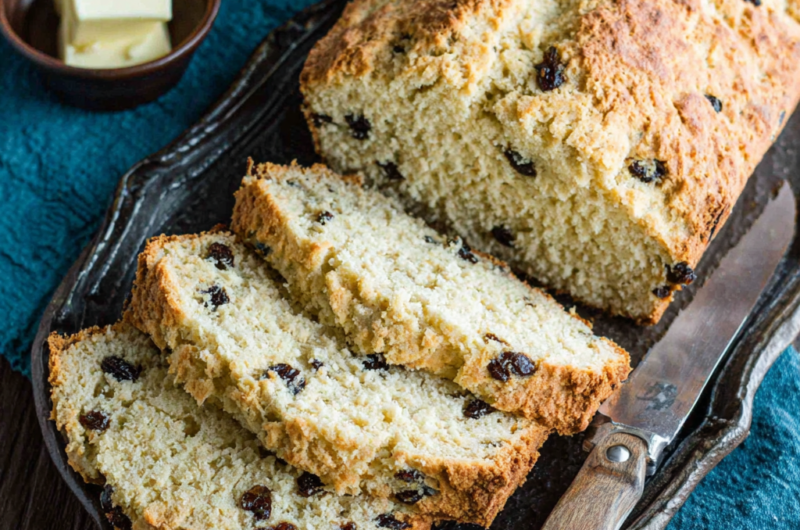
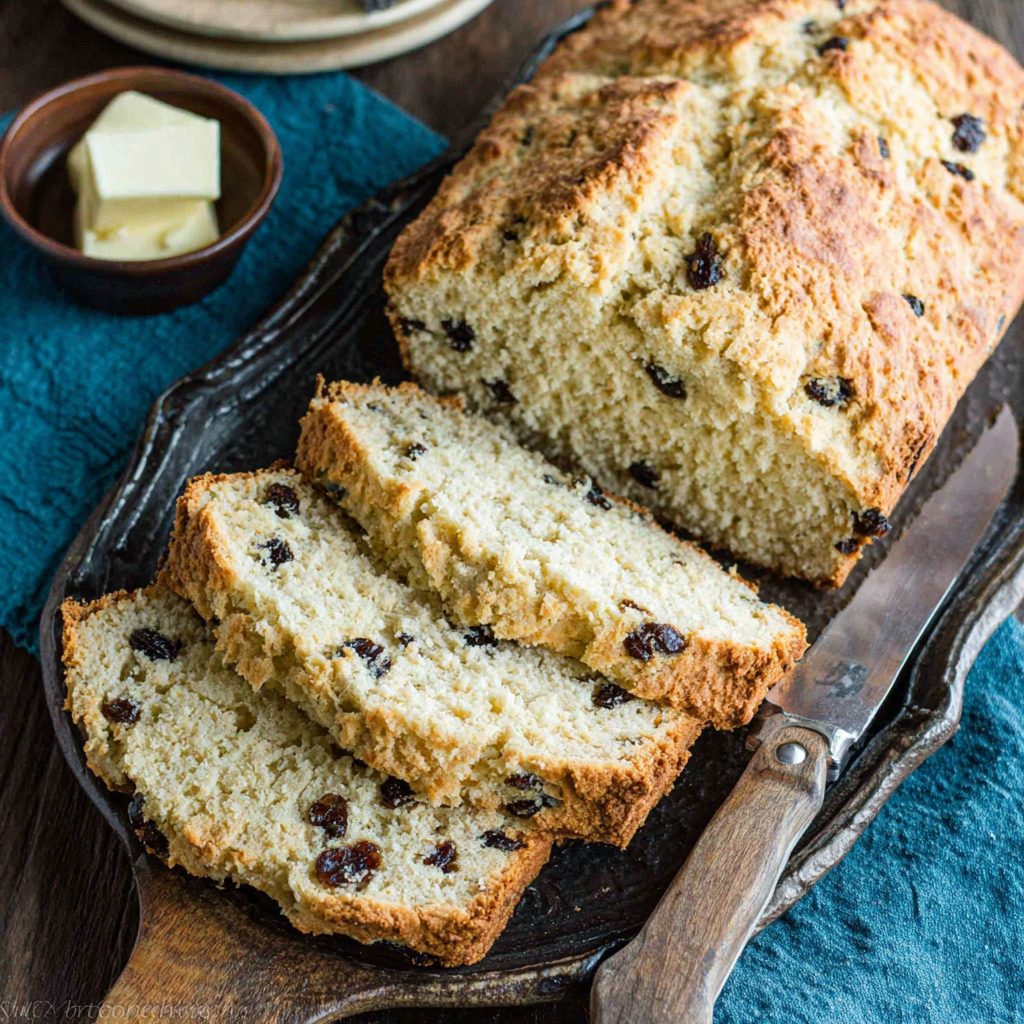
While traditional Irish soda bread is often made plain, there is ample room for creativity. Adding ingredients like currants or caraway seeds can introduce delightful bursts of flavor. Experimenting with herbs or cheeses can transform the bread into a savory accompaniment, making it versatile enough for various meals, from breakfast to dinner.
FAQs
What can I do if the dough is too dry?
If the dough feels too dry and crumbly, add a tablespoon of buttermilk or water at a time until it reaches the desired consistency. It should be slightly sticky but cohesive.
Why did my soda bread turn out bland?
If your soda bread lacks flavor, it may be due to insufficient salt or under-measuring the buttermilk. Adjusting these ingredients can enhance the overall taste.
My soda bread came out too dense, what went wrong?
A dense loaf can result from overworking the dough or not using enough leavening agent. Be gentle when mixing, and ensure your baking soda is fresh for maximum rise.
How can I adjust the recipe for a smaller loaf?
To make a smaller loaf, simply halve the ingredients. This maintains the balance of flavors and texture while allowing you to enjoy freshly baked soda bread without excess.
Can I make this bread using whole wheat flour?
Yes, incorporating whole wheat flour will change the flavor and increase the nuttiness of the bread. However, you may need to increase the liquid slightly for the best texture.
What if the crust turned out too hard?
A tough crust may result from baking at too high a temperature or leaving it in the oven for too long. Adjust the temperature or reduce baking time next time to achieve a softer crust.
Conclusion
Irish soda bread is more than just a recipe; it's a celebration of simple ingredients and culinary heritage. This bread invites you to explore the depths of flavor and texture with a straightforward approach that most cooks can master.
Whether served warm with butter or accompanying a savory stew, each bite encapsulates a rich tradition. Embrace the art of soda bread baking and enjoy bringing this piece of Ireland into your kitchen.
Recipe Card
Exploring the Heart of Irish Soda Bread
Ingredients
Method
- Preheat the oven to 425°F (220°C).
- In a large bowl, whisk together the flour, baking soda, and salt.
- Make a well in the center of the dry ingredients and pour in the buttermilk and melted butter, if using.
- Gently mix the dough with your hands until it just comes together, avoiding overworking it.
- Turn the dough out onto a floured surface and shape it into a round loaf.
- Transfer the shaped dough to a baking sheet lined with parchment paper.
- Score a deep cross on the top of the loaf with a sharp knife.
- Bake for 30-40 minutes, until golden brown and hollow-sounding when tapped.
- Let cool on a wire rack before slicing.
Notes
Additional serving suggestions: pair with a crisp salad, garlic bread, or roasted seasonal vegetables for balance.
For make-ahead, prep components separately and assemble just before heating to preserve texture.
Taste and adjust with acid (lemon/vinegar) and salt right at the end to wake up flavors.


