Introduction
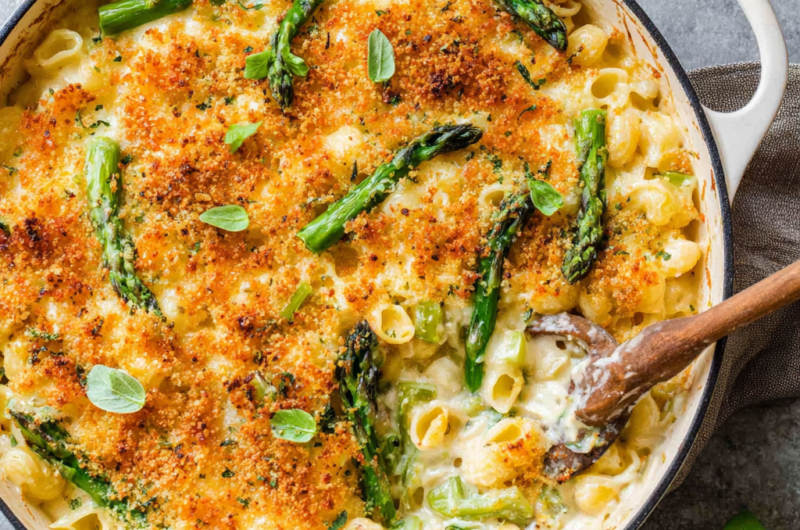
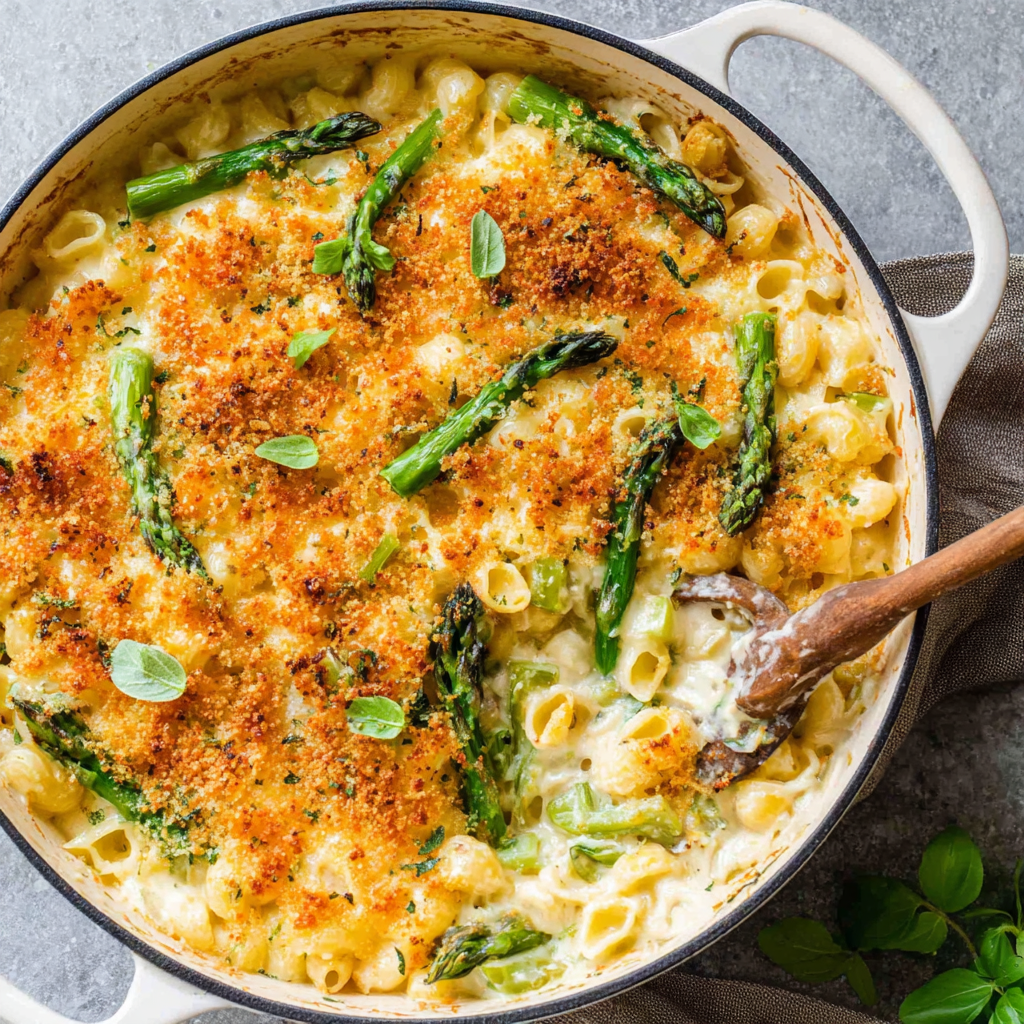
As the days grow longer and warmer, thoughts of light, yet comforting meals start to emerge. Asparagus Macaroni Cheese offers a delightful blend of the earthy flavor of asparagus with the creamy richness of cheese, creating a dish that's both satisfying and nourishing. This recipe brings a fresh twist to the classic mac and cheese, making it perfect for spring gatherings or a cozy weeknight dinner.
Cooking is often about balance—layering flavors and textures to create something truly special. In this dish, the tender crunch of asparagus complements the decadence of cheese-coated pasta, providing a beautiful contrast. By incorporating seasonal asparagus, we not only enhance flavor but also add a nutritional boost, making this mac and cheese both indulgent and wholesome.
Ingredients
- 300g macaroni
The backbone of the dish, macaroni serves as the primary carbohydrate source. Its tubular shape allows it to hold onto sauces, ensuring a creamy bite with every forkful. - 200g asparagus, trimmed and cut into 1-inch pieces
Asparagus adds freshness and a vibrant green color to the dish. Its unique taste and texture contrast nicely with the creamy cheese, enhancing the overall eating experience. - 2 tablespoons olive oil
Used for sautéing the asparagus, olive oil provides a rich, fruity flavor that complements the other ingredients. It also helps in cooking the asparagus to a perfect tender-crisp. - 2 cloves garlic, minced
Garlic infuses the dish with aromatic richness. Its savory notes enhance the flavor profile, making the macaroni cheese more robust and delicious. - 600ml milk
Milk creates the creamy base for the cheese sauce. Using whole milk ensures a rich and decadent texture that envelops the pasta and asparagus beautifully. - 200g sharp cheddar cheese, grated
Cheddar contributes a tangy and intense flavor that makes the sauce irresistible. The melting properties of sharp cheddar help create a silky smooth texture. - 100g mozzarella cheese, grated
Mozzarella adds a delightful stretchiness and mild flavor to the cheese sauce. This blend with cheddar ensures both taste and texture. - 50g grated Parmesan cheese
Parmesan offers a nutty and salty kick to the sauce, enhancing the depth of flavor. It’s the finishing touch that elevates the cheese mix. - Salt and pepper to taste
Essential for enhancing the overall flavor, salt and pepper can be adjusted to personal preference, making the dish perfectly seasoned. - 1 teaspoon Dijon mustard
Dijon mustard adds a subtle tang that brightens up the sauce and balances the richness of the cheese, making the dish more complex.
Directions & Preparation
Step 1: Cook the macaroni according to package instructions until al dente, then drain.
Cooking the macaroni until al dente is crucial; it will continue cooking slightly when mixed with the cheese sauce. Draining it well prevents excess water from making the dish too soupy.
Step 2: In a large skillet, heat olive oil over medium heat and add the asparagus. Sauté for about 5 minutes until tender-crisp.
Sautéing the asparagus enhances its natural sweetness and provides a tender crisp texture that contrasts beautifully with the creamy cheese sauce. Ensure not to overcook; the asparagus should retain some bite.
Step 3: Add minced garlic to the skillet and sauté for another minute until fragrant.
Adding garlic at this stage allows it to infuse the oil with flavor without burning. It contributes to the overall aroma and taste of the dish, making each bite more aromatic.
Step 4: Pour the milk into the skillet, then bring it to a gentle simmer.
Simmering the milk helps to warm it without curdling. This step prepares the base for the cheese sauce, ensuring a smooth blend without lumps.
Step 5: Whisk in the grated cheddar, mozzarella, and Parmesan cheese until fully melted and smooth, creating the cheese sauce.
Combining the cheeses gradually allows for uniform melting, creating a creamy and cohesive cheese sauce. Make sure to keep the heat low to prevent the mixture from becoming grainy.
Step 6: Stir in the Dijon mustard and season with salt and pepper to taste.
The mustard introduces a slight tang that helps balance the richness of the cheeses. This step is essential for achieving a well-rounded flavor profile in the final dish.
Step 7: Add the cooked macaroni and sautéed asparagus to the cheese sauce, mixing well to combine.
Combining the pasta and asparagus with the cheese sauce ensures every bite is coated in creamy goodness. Stirring thoroughly helps distribute flavors evenly throughout.
Step 8: Transfer the mixture to a baking dish and top with extra cheese if desired, then bake in a preheated oven at 180°C (350°F) for 20-25 minutes until bubbly and golden.
Baking not only enhances the flavors as they meld together, but an additional layer of cheese on top creates a beautifully crispy crust. Keep an eye on it to avoid over-browning.

Choosing the Right Asparagus
When selecting asparagus, look for bright green stalks with firm, closed tips. Thin spears tend to be more tender, while thicker ones offer a meatier bite. Fresh asparagus not only enhances the flavor but also retains more nutrients, making it a healthier addition to your mac and cheese.
Elevating Flavor with Cheese Variations
While sharp cheddar and mozzarella are classic choices, experimenting with different cheese combinations can unleash new flavors. Try incorporating Gruyère for nuttiness or a bit of smoked gouda for depth. Each cheese brings its unique personality, allowing for endless creative variations in your asparagus macaroni cheese.
Serving Suggestions for Your Dish
Asparagus Macaroni Cheese makes a versatile main or side dish. Consider pairing it with a simple salad for a refreshing contrast or serving it alongside grilled chicken for a protein boost. Offering crusty bread will also invite guests to indulge, creating a warm and inviting meal experience.
FAQs
What if my cheese sauce is too thick?
If your cheese sauce is too thick, gradually add more milk over low heat while stirring until you reach your desired consistency.
Can I add other vegetables to the recipe?
Yes, feel free to include vegetables like broccoli, peas, or spinach; just ensure they are pre-cooked or sautéed before adding to the cheese sauce.
What types of cheese can I use as substitutes?
You can substitute cheeses like gouda, Havarti, or even a sprinkle of feta for different flavor profiles, keeping in mind that some might alter the dish's overall taste.
Why is my asparagus mushy?
Mushy asparagus can result from overcooking during the sautéing step. Make sure to cook it just until tender-crisp for the best texture.
Can I use whole wheat macaroni instead?
Absolutely! Whole wheat macaroni is a great substitute for added fiber and can help make the dish a bit healthier.
Will leftovers reheat well?
Yes, leftovers can be reheated in the oven or microwave, but you may want to add a splash of milk to maintain creaminess.
Conclusion
Asparagus Macaroni Cheese offers a comforting yet elevating take on a beloved dish. By incorporating fresh vegetables and a rich cheese blend, you create not only a meal that satisfies but also one that showcases seasonal freshness. Light, creamy, and full of flavor, it's perfect for any occasion.
Next time you find yourself in need of a comforting meal, give this recipe a try. With its combination of textures and flavors, you'll surely impress family and friends alike while enjoying a delightful culinary experience.
Recipe Card
Asparagus Macaroni Cheese with a Twist
Ingredients
Method
- Cook the macaroni according to package instructions until al dente, then drain.
- In a large skillet, heat olive oil over medium heat and add the asparagus. Sauté for about 5 minutes until tender-crisp.
- Add minced garlic to the skillet and sauté for another minute until fragrant.
- Pour the milk into the skillet, then bring it to a gentle simmer.
- Whisk in the grated cheddar, mozzarella, and Parmesan cheese until fully melted and smooth, creating the cheese sauce.
- Stir in the Dijon mustard and season with salt and pepper to taste.
- Add the cooked macaroni and sautéed asparagus to the cheese sauce, mixing well to combine.
- Transfer the mixture to a baking dish and top with extra cheese if desired, then bake in a preheated oven at 180°C (350°F) for 20-25 minutes until bubbly and golden.
Notes
Additional serving suggestions: pair with a crisp salad, garlic bread, or roasted seasonal vegetables for balance.
For make-ahead, prep components separately and assemble just before heating to preserve texture.
Taste and adjust with acid (lemon/vinegar) and salt right at the end to wake up flavors.


